
Exercises and Guides to Help You Relax and Reduce Stress
It’s unavoidable. It’s a given. Life stresses us all out, although some of us are better at letting stressors roll off our backs, and moving forward despite the pressure.
For those of us who may get stuck in stress and anxiety – triggered by an event, an uncomfortable situation, or just nonspecific worries – there are ways we can work on our response, and work our way out of the quagmire, starting with acknowledging that we often can’t control the cause that prompts these feelings.
Note that there is a difference between acute stress – the anxiety we all have at times in response to difficult situations — and chronic stress. If you’re experiencing chronic, or constant, stress, you should consult a physician or mental health counselor, since it can have adverse effects physically as well and emotionally.
When considering how to control stress, it’s best to begin at the beginning, as a character in Alice in Wonderland says: what you do in the morning.
“Morning routines set our pattern for the rest of the day,” says psychologist and well-being consultant Lee Chambers. When we wake, thoughts of the stressful challenges awaiting us may flood our minds; finding a ritual that brings a sense of calm and confidence can make the day more manageable. And like exercise, you have to find what you’ll stick with, what fits your life and schedule. Routines “are most effective when we enjoy them,” Chambers says.
Here are eight suggestions from experts on how to start the day:
- Practice gratitude. Before you get out of bed, take a moment to name the things, and people, you’re grateful for; reflect on what’s good in your life.
- Drink water. Even before coffee or tea, hydrate. Water helps elevate mood, energy, and clarity, research shows.
- Try not to check your phone first thing. We all know this one. Once you start scrolling through messages and posts, it’s hard to stop. Give yourself a little screen break.
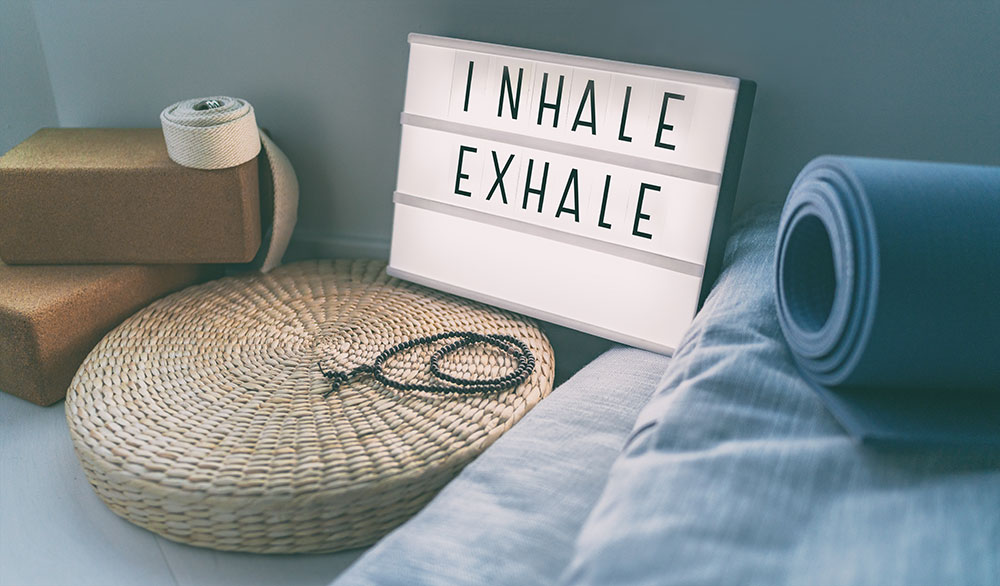
- Focus on your breathing. Our response to stress is shallow, quick breaths. Pay attention to how you’re breathing. Sit comfortably and take a few deep breaths, breathing in through your nose, breathing out through your mouth. Imagine, when you breathe, that you’re filling up a balloon in your stomach, then letting the air out.
- Take a few minutes to sit quietly. If your mind wanders, come gently back to your breath. You can find short, guided meditations on Calm.com or YouTube. Psychologist Gina Delucca suggests repeating a mantra: “I am safe, and I will be OK.” You can also do a body scan: Starting at the top of your head, notice where you hold tension and release it, until you reach your toes. Visualize a positive scene, or somewhere you enjoy being. Read more on visualization. Here is a guided body scan meditation.
- Move a little. Take a short walk or bike ride, dance, do yoga, or do a few easy stretches. (Check our first newsletter for quick, easy exercises you can do around the house.) This can help improve your focus and energy throughout the day – and help you sleep better, too.
- Read or listen to music. Before you check the news, read or listen to something that inspires you and makes you feel good.
- Eat nourishing food. Oatmeal with fruit, or an egg with avocado on whole wheat toast, will help you feel grounded.
To develop a routine, it can help to write it down. Habits are developed by doing something repeatedly, in the same order, rather than relying on mood or motivation. If you’re specific and consistent, Delucca says, “with time, your morning routine will flow,” and that will help your stress flow away.
Just as these exercises are a good way to prepare yourself for the day ahead, they can be effective in helping you let go of the accumulated stresses when you get home, too.
In addition, here are 12 self-care tips that can make a big difference in your daily stress level:
- Set realistic expectations. While we strive to be our best, to improve our lives, it’s important to focus on what we find fulfilling in the now, rather than how we can get to what’s next.
- Set intention. Whether it’s a meeting, a task, or an interaction, envision how you want to feel, and practice that mindset. “Don’t let a negative emotion run off with you blindly,” says life coach Elaine Sanders.
- Note your accomplishments. On your day planner or calendar, write down your achievements, large or small.
- Make a “done” list. It’s a big weight lifted to see the tasks you’ve successfully completed, and helps you take stock.
- Keep a journal. Wellness expert Alissa Rumsey says that writing down your thoughts may help you reflect and gain better understanding of anything upsetting, which can make you feel more balanced. “Try taking 10 minutes each day to reflect on how you’re feeling, writing down any worries or concerns and acknowledging that it’s OK to feel these things,” Rumsey says. You can find journaling prompts here.
- Set aside time to do … nothing. Give yourself permission to just sit and look at the sky, listen to the birds, feel the sun on your face. And breathe.
- Limit news intake. Set boundaries and block out time to read the news, and respect those boundaries. Be aware of how you’re feeling; when you feel anxiety or dread, step back.
- Set work boundaries. Create structure around how much work you do at home, and when you check and answer emails, so the work/life lines don’t get blurred.
- Have a confidante. Finding someone at work or in your life – or both – you can lean on, trust, and be honest with about your thoughts and worries is an important stress reliever. That connection makes you feel less alone with whatever may be troubling you, too. Conversely …
- Help someone else. Whether it’s volunteering your time at a food bank, bringing meals to a neighbor, or simply listening to someone who’s struggling, being there for others puts your own anxieties in perspective. Here are ways you can support someone who has anxiety.
- Do something you enjoy. It’s a cliché to say “get a hobby,” but being absorbed in an activity – sewing, doing a jigsaw or crossword puzzle, baking, gardening, drawing or coloring, quiets – and helps focus – your thoughts.
- Check in with yourself, and be gentle. Pause every day to note what is filling your thoughts, what you’re feeling, both emotionally and physically, and consider what you wanted to accomplish. Whatever you find, practice self-compassion.
“Instead of beating yourself up, try to validate yourself with kind self-talk,” says therapist Jennifer Chappell Marsh. “Like: ‘This is difficult.’ ‘I’m not alone.’ ” Imagine what you would say to a loved one who’s struggling, “then say those things to yourself.”
You can find more exercises to help relieve stress in Reader’s Digest.
